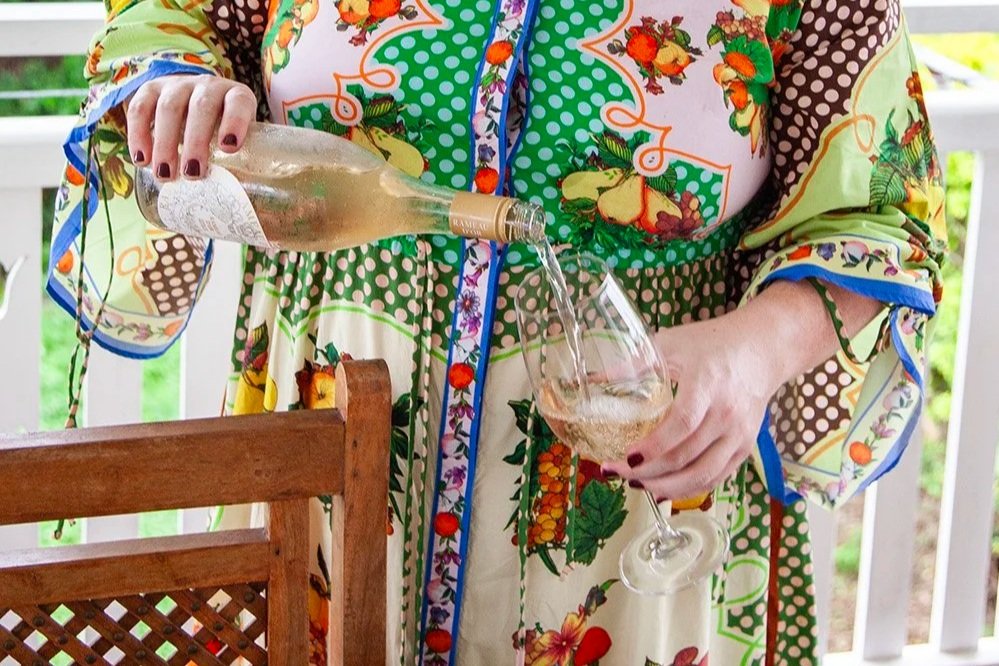
Dinner Party Wine Pairing Guide
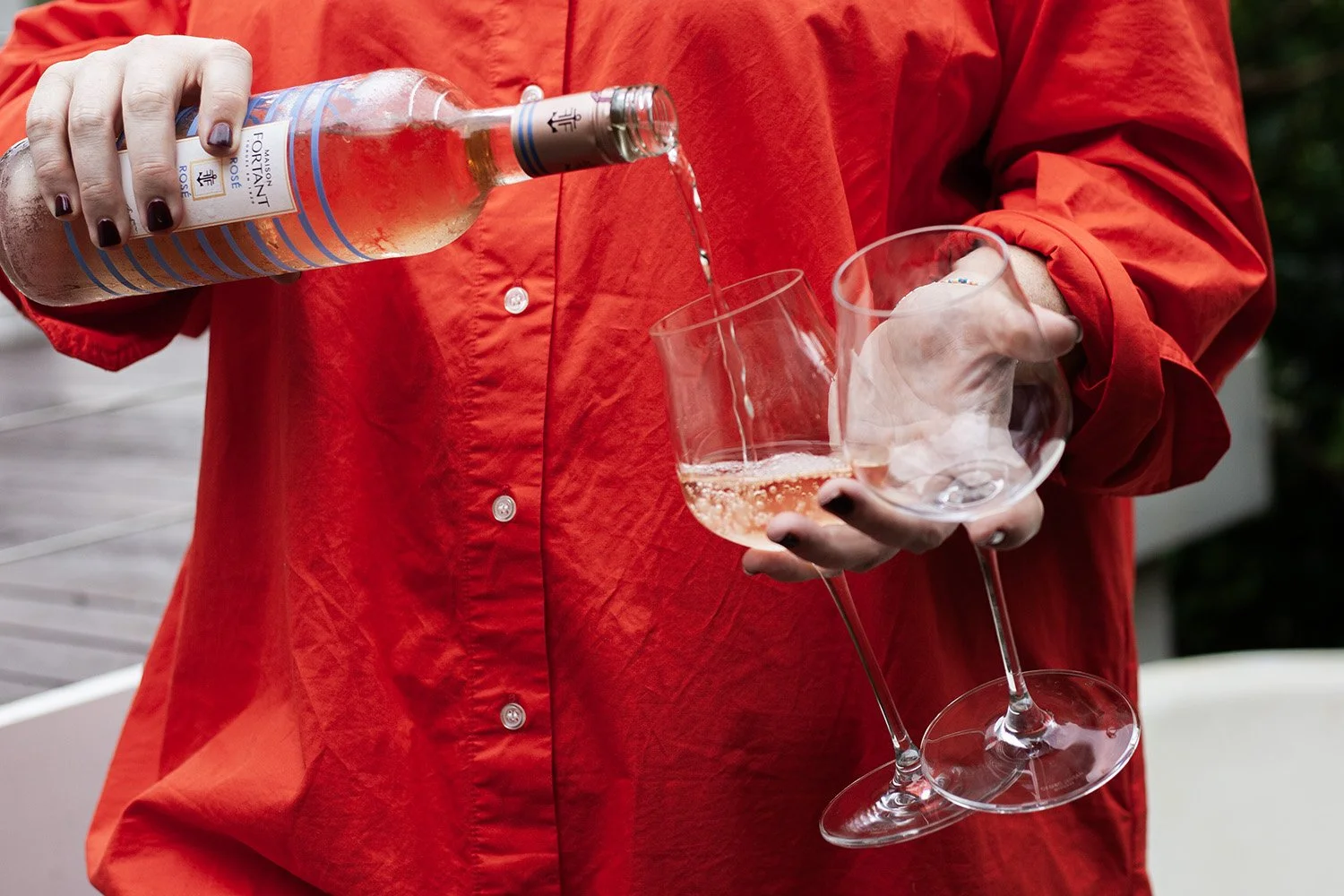
Wine at a dinner party does not need to be complicated. Most hosts either overthink it — researching obscure varietals and agonising over the perfect match — or under-think it, buying whatever is on special and hoping for the best. The approach that actually works is somewhere between the two: a small number of reliable pairings, a simple formula for quantities, and a drinks setup that requires nothing from you once guests arrive.
This guide covers what to pour with the most common dinner party mains, how to handle the drinks arrival moment, when to decant, and how much to buy. It is practical rather than encyclopaedic — the goal is a host who feels confident at the bottle shop, not one who needs a sommelier on call.
The Arrival Drink: Set This Up Before Anyone Knocks
The moment guests arrive is not the moment to be opening wine. The arrival drink should be ready and accessible the second the first person walks in — ideally self-serve, so you are not pouring and greeting simultaneously.
The best options for an arrival drink:
A sparkling wine or Champagne is the most reliably celebratory choice and works across almost every menu and season. Prosecco is the most affordable version; Cava is slightly more complex at a similar price point.
A batch cocktail removes all decision-making from the arrival moment. An Aperol spritz built in a large jug, a white sangria, or a gin and elderflower punch with sparkling water can all be set up in the afternoon and simply poured over ice when guests arrive. These also give non-wine drinkers something interesting without requiring a separate drinks list.
Set up the arrival drinks on a side table or bar cart with glasses already out, ice in a bucket, and anything else guests need within reach. Guests who can serve themselves arrive more relaxed and free you to focus on the door.
How Much Wine to Buy
The standard formula is half a bottle of wine per person over the course of the evening, plus one bottle extra as a buffer. For six guests: four bottles minimum, five to be comfortable.
In practice, this depends on the length of the evening, whether guests are driving, and whether you are also serving a batch cocktail on arrival. If arrival drinks are handled by a batch cocktail and dinner runs to three hours, the half-bottle-per-person formula for the table wine is usually accurate.
A practical shopping list for six guests:
Two to three bottles of white or rosé for arrival and with lighter courses
Two to three bottles of red for main course and beyond
One bottle of something sparkling for arrival or toasting, if the occasion calls for it
Sparkling water and still water — at least two litres per table
Buy slightly more than you think you need. Unopened bottles keep. The alternative is running out, which is a hosting problem with no good solution mid-evening.
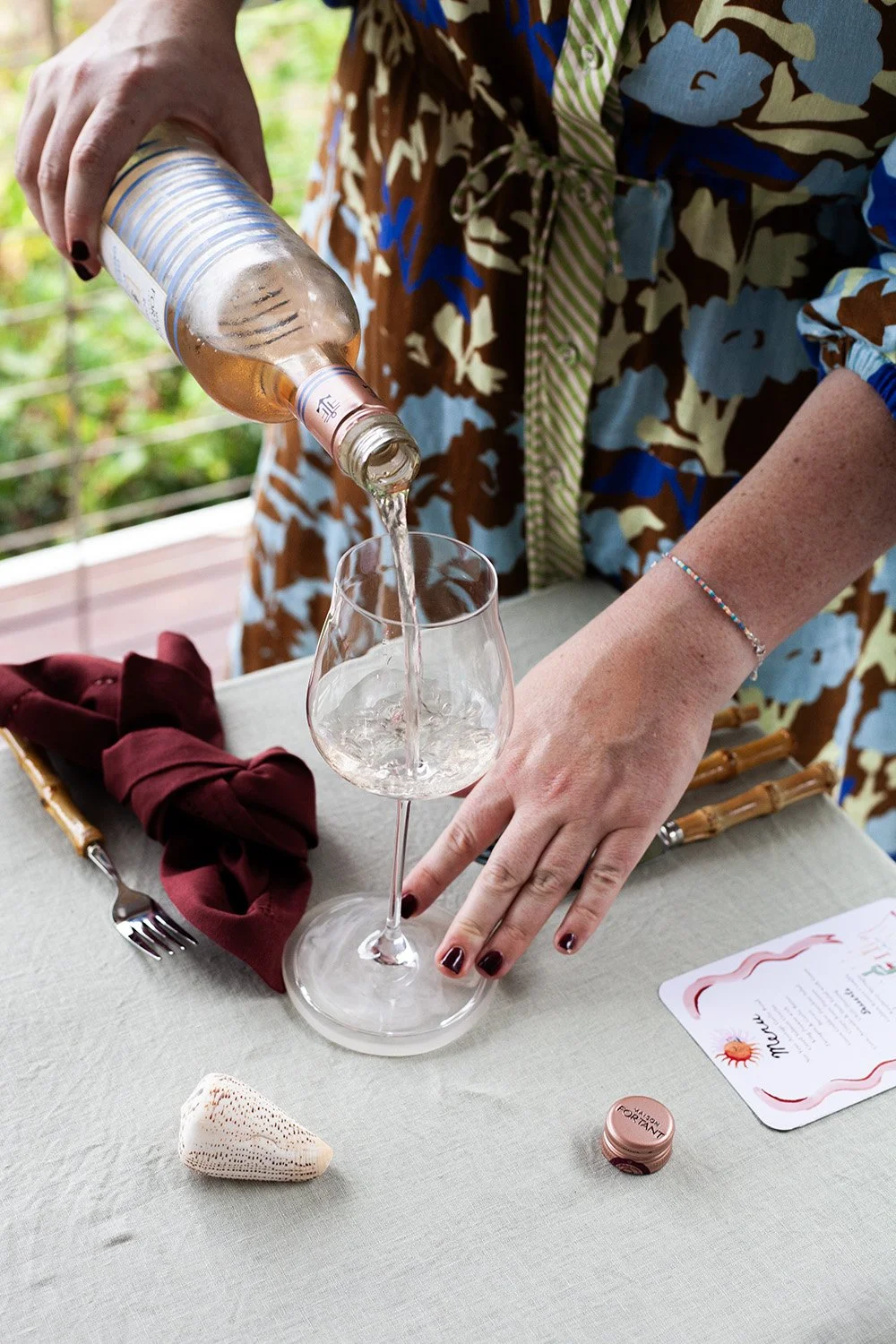
White Wine Pairings
Chardonnay is the most versatile white wine for a dinner party. It has enough body to stand up to richer dishes — roast chicken, creamy pasta, salmon — while remaining food-friendly rather than overpowering. An unoaked or lightly oaked Chardonnay is the more approachable style; heavily oaked versions can overwhelm delicate flavours.
Best with: Roast chicken, pan-seared fish, creamy pasta, risotto, soft cheeses
Sauvignon Blanc is bright and acidic — ideal for cutting through rich starters and complementing lighter mains. It is particularly good with anything herb-forward or citrus-dressed.
Best with: Goat's cheese, salads with vinaigrette, grilled fish, green vegetable dishes, prawn starters
Pinot Gris / Pinot Grigio sits between the two in terms of weight. The Italian style (Grigio) is lighter and crisper; the Alsatian style (Gris) is richer and more textured. Either works well with seafood, light pasta, or a grazing starter.
Best with: Seafood, antipasto starters, light chicken dishes, vegetable-forward mains
Riesling — dry, not sweet — is worth more attention than it gets at dinner parties. Its natural acidity makes it one of the best food wines available, and it pairs especially well with anything with a hint of spice or sweetness.
Best with: Pork, duck, Asian-inspired dishes, anything with a sweet glaze or fruit component
Red Wine Pairings
Pinot Noir is the most food-friendly red wine. It is light enough to work with dishes that would overwhelm a heavier red — salmon, duck, mushroom-based mains, pasta with a light meat sauce — while still having enough depth to satisfy guests who want red wine regardless of the menu.
Best with: Duck, salmon, pork, mushroom dishes, lighter meat-based pastas, soft cheeses
Chianti / Sangiovese is the reliable choice for tomato-based Italian dishes. Its natural acidity mirrors the acidity of tomatoes, making the pairing feel balanced rather than one element dominating the other.
Best with: Pasta with tomato-based sauces, pizza-style entertaining, Italian-inspired mains, lamb meatballs
Cabernet Sauvignon is a full-bodied red with enough tannin and structure to handle rich, fatty proteins. It is the go-to for red meat, and a sensible choice whenever the main course is substantial and the evening is long.
Best with: Steak, lamb shanks, beef short ribs, slow-cooked red meat dishes, aged hard cheeses
Malbec offers similar weight to Cabernet Sauvignon but with a slightly softer tannin structure and more fruit-forward character. It is a good alternative for guests who find Cabernet too dry, and it works particularly well with grilled or charred proteins.
Best with: Grilled meats, slow-cooked lamb, barbecued dishes, bold flavoured mains
Côtes du Rhône / Grenache blends are underrated dinner party wines. They are typically medium-bodied, food-friendly, and more affordable than their quality suggests. A good choice when your menu sits between light and rich and you want one red wine that works across the meal.
Best with: Roast lamb, chicken dishes with herbs, Mediterranean-style mains, charcuterie
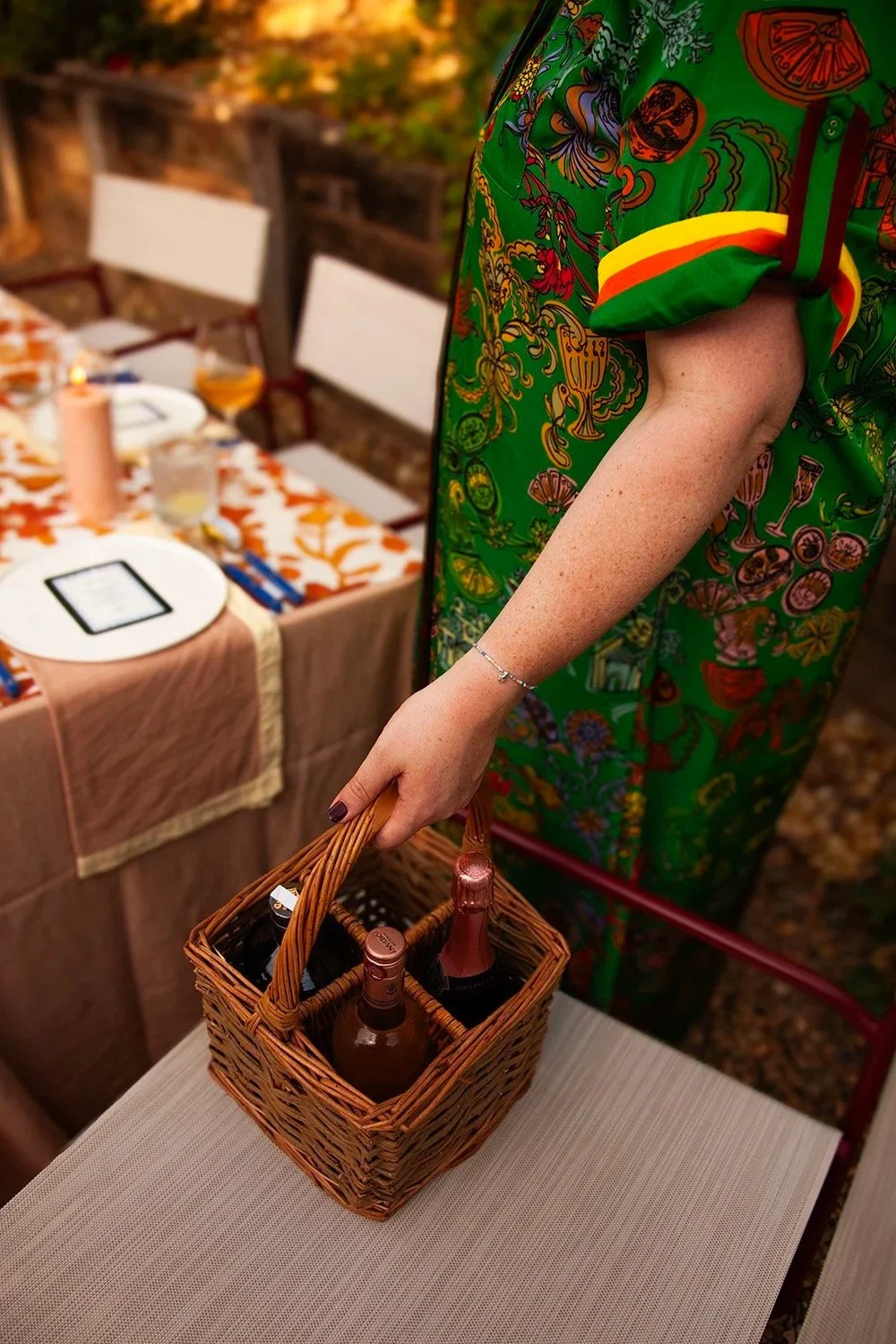
Rosé: More Useful Than It Gets Credit For
A dry rosé — Provençal style, pale and restrained — is one of the most versatile dinner party wines available and consistently underserved at the table. It works across a wide range of dishes, it is the right choice for summer outdoor entertaining, and it bridges the gap between guests who want white and those who want red.
Best with: Grilled fish, salmon, light chicken dishes, salads, anything Mediterranean, summer menus generally
Dessert Wine: Optional, but Worth It
If the occasion warrants it, a small pour of dessert wine with the final course is a genuinely elegant touch. It does not need to be expensive — a half bottle of Sauternes, Tokaji, or a good Moscato goes a long way across six glasses.
The rule with dessert wine is that it should always be sweeter than the dessert itself. A very sweet sticky wine with a very sweet dessert makes both taste flat. A moderately sweet wine with a fruit-based or lightly sweet dessert is the better pairing.
If dessert wine feels like too much to manage, a small pour of a fortified wine — a tawny port, a sweet sherry, or a Rutherglen muscat — is simpler to source, longer-lasting once opened, and often better received than a dessert wine.
When to Decant
Decanting is less complicated than its reputation suggests. Most red wines benefit from some air, and some genuinely need it to show at their best.
Decant young, tannic reds — Cabernet Sauvignon, young Barossa Shiraz, structured Malbec — at least 30 to 60 minutes before serving. These wines are often tight when first opened and open up considerably with air.
Decant older wines more gently and just before serving. Very old wines can deteriorate quickly once opened.
You do not need a decanter. Pouring the wine into a large jug works. Alternatively, open the bottle an hour early and let it breathe in the bottle — less effective than decanting but better than nothing.
White wines generally do not need decanting. Serve them chilled, directly from the bottle.
The One-Wine Approach
If choosing multiple wines for multiple courses feels like too much, simplify: choose one good white and one good red, serve the white on arrival and through the starter, and switch to the red with the main. This approach works for the vast majority of dinner party menus and removes every wine decision from the evening itself. A dry rosé is an even simpler version of this — one wine, served throughout, that works across courses in warm weather.
Wine at a dinner party should solve a problem, not create one. The pairings in this guide cover the most common dinner party menus; the quantity formula gives you a baseline to shop from; and the arrival drinks setup means the first ten minutes of the evening run without you.
For the full pre-dinner planning sequence, including when to buy wine and when to set up the bar, see the dinner party checklist. For ideas on which menus these pairings work best with, start with the make-ahead dinner party menu guide.
If you want a complete menu with drink pairings already chosen, The Dinner Party Guide includes wine recommendations as part of every downloadable hosting guide. Browse the full collection to find the one that fits your next gathering.